
Article: Why Wellness Feels So Hard

Why Wellness Feels So Hard
Let’s be honest—we all want to feel better. Mentally, emotionally, physically. We want more energy, more balance, and more peace. But between work deadlines, family life, stress, and constant scrolling, it’s no wonder wellness can feel completely out of reach.
You might start with the best intentions—buy a journal, download a meditation app, try waking up earlier—but within a few days, you’re back to juggling too much and putting yourself last again.
Here’s the truth no one talks about:
Wellness isn’t something you magically arrive at. It’s something you build—one day, one choice at a time. And that’s where planning comes in.
What Does “Wellness” Really Mean, Anyway?
Before we talk about planning, let’s take a second to rethink what “wellness” even is.
It’s not just green smoothies and bubble baths (though those can be lovely). Real wellness is deeper than that. It’s things like:
Feeling clear-headed and emotionally steady
Having energy to get through your day
Managing your stress instead of drowning in it
Feeling connected—to yourself, your purpose, and others
Having confidence that you can handle life’s curveballs
In other words, wellness is how you live your life when you’re actually looking after yourself.
It’s also made up of a lot of moving parts—your habits, sleep, focus, routines, relationships, even how you talk to yourself. And without a little structure, all of that can fall apart pretty fast.
That’s why planning isn’t just helpful—it’s essential.
Why Planning is a Wellness Tool (You Probably Overlooked)
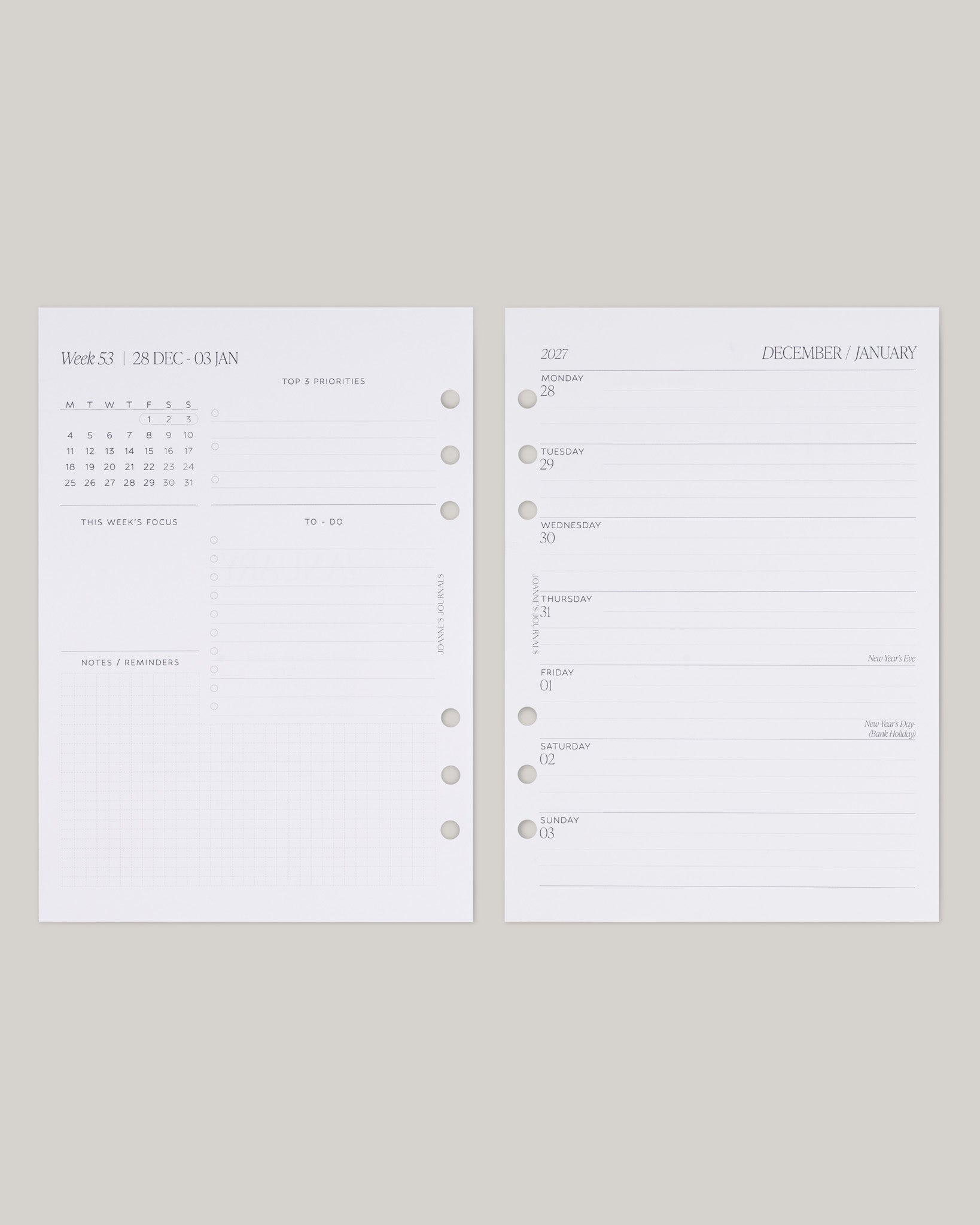
When most people think of planners, they picture to-do lists and work schedules. But a good planner is so much more than that. It can be one of your strongest tools for protecting your mental health and creating space for the life you actually want to live. Here’s why planning matters more than you might think:

1. It Clears Mental Clutter
You know that feeling when your brain won’t shut up? It’s probably because it’s holding onto too much at once reminders, worries, ideas, unfinished tasks. Writing things down is like clearing your browser tabs. You instantly feel lighter.
Try this: At the start or end of your day, do a 5-minute brain dump. No pressure, no order just get everything out of your head and onto paper.
2. It Helps You Prioritise What Really Matters
You probably want to stretch, hydrate, rest, or take a breather but those things fall off the list when life gets busy. Planning lets you be honest about your time and protect space for the things that fill your cup.
Prompt for your planner:
What’s one small thing I can do today to feel more calm, healthy, or happy?
3. It Builds Habits Without the Pressure
You don’t need to overhaul your whole life overnight. Wellness comes from little things you repeat over time. Whether it’s 10 minutes of journaling or remembering to eat lunch away from your screen, tracking those habits helps them stick.
A planner keeps you gently accountable without guilt-tripping you when you miss a day.
4. It Gives You a Sense of Control
When life feels out of control, your planner can ground you. It reminds you that you get to decide how your day unfolds. Even in chaotic seasons, you can choose small routines and set simple goals that help you feel steady again.
The Link Between Planning and Mental Health
This is where it gets really important. If you live with anxiety, depression, ADHD, or burnout, structure isn’t just helpful—it’s life-changing.
Planning gives you:
A way to see your wins (on days you feel like you’ve done nothing)
A way to notice your stress triggers before they build up
A way to slow down and connect with your thoughts in a calm space
Even just 10 quiet minutes a day with your planner can improve your mood, your clarity, and your ability to cope.
What Happens When You Don’t Plan?
Without a plan, it’s easy to fall into survival mode. You wake up reactive—scrolling your phone, answering messages, rushing through tasks. Your needs go to the bottom of the list. And by the end of the day, you’re drained and wondering where the time went.
This cycle eventually leads to:
Burnout
Frustration and guilt
Sleep and focus issues
Feeling disconnected from yourself and others
Planning doesn’t solve everything, but it gives you a tool to break the cycle and come back to yourself.
Must Have Products For Beginners
Real-Life Example: Meet Emma
Emma is 34, a mum of two, works part-time, and deals with anxiety. She told us she constantly felt behind like she was “failing” at self-care. But instead of trying to do more, she did something different: she started using a planner to do less, with more intention.
She:
Wrote down 3 small priorities each morning (like “move my body” or “call my mum”)
Scheduled 10 minutes of breathing time before the school run
Journaled each night to let go of stress
A few weeks later, she was sleeping better, feeling less snappy, and actually enjoying her evenings again. Nothing fancy just intentional planning.

"The mind is like water. When it’s calm, everything becomes clear."
“I’ve Tried Planning Before and It Didn’t Work…”
If this sounds like you, you’re not alone.
Most people don’t stick with planning because the planner didn’t fit their brain, their lifestyle, or their emotional needs. You don’t need a rigid system or an aesthetic Instagram routine—you need tools that meet you where you are.
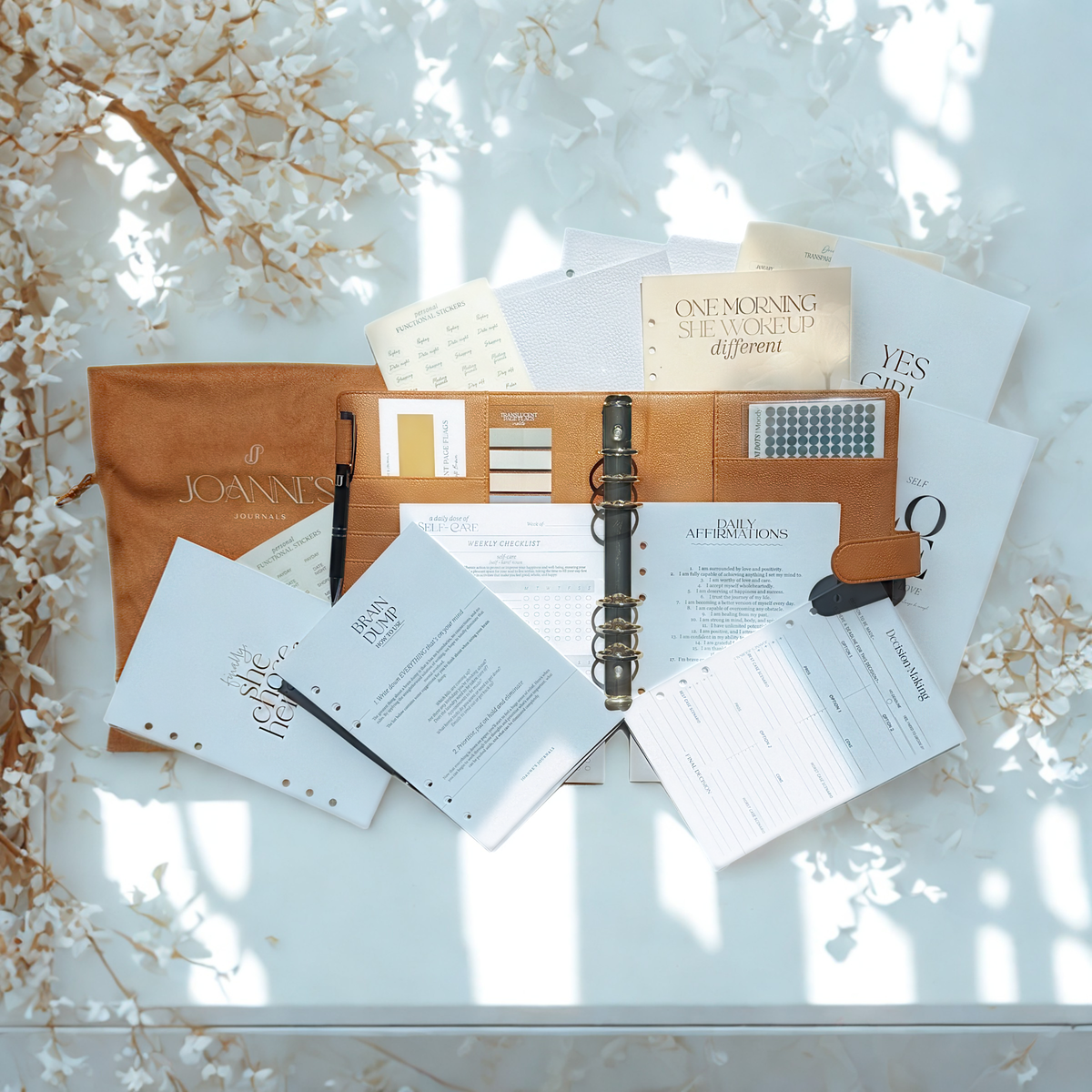
That’s exactly what we’re building in the Joannes Journals Mental Health Wellness Planner —a planner designed for real people, with real challenges, who want to feel better without the pressure.

Self Love Quotes

Your First Wellness Planning Habit
Let’s keep it simple.
Your challenge this week:
Start each day by writing down 3 intentions.
Not tasks— intentions . Like:
Drink water
Take a proper lunch break
Be kind to myself when I make a mistake
That’s it. No pressure. Just start there and build from it.
"Wellness begins when you start listening to yourself."
What’s Coming Next
Over the coming weeks, we’ll be sharing practical tools and tips to support your wellness—from managing stress and ADHD to setting boundaries, balancing work and family, and building habits that last.
We believe wellness should be accessible to everyone—not just influencers or people with extra time. Whether you’re a tired parent, a busy student, or someone simply trying to get through the day, you deserve support that actually fits your life.
And soon, we’ll be sharing the planner that ties it all together.
Your wellness isn’t selfish. It’s essential. And planning is how you protect it.
P.S. Want a first look at the new planner that’s going to change the way you plan and take care of your mind? Stay tuned—we’ll be giving our email community early access (and some juicy bonuses too).

The Author: Joanne
I’m so happy you’re here.
I started Joanne’s Journals during one of the busiest, messiest seasons of my life. I’m a mum of four, so trust me when I say I know how it feels to be stretched in a million directions trying to stay calm, stay organised, stay present, and still somehow look after yourself too.
There were so many days where I felt like I was dropping the ball. I wanted something that could help me stay on top of things without adding more pressure. A planner that actually supported my mental health not just my to-do list.
That’s why I created Joanne’s Journals. Not to make life perfect, but to make it a little more manageable. A space to pause, breathe, reflect, and focus on what really matters—your peace, your wellbeing, your growth.
These planners were born out of my real life, my real chaos, and my real need for something that works. And I hope they become a little lifeline for you, like they have for me and so many others.
You don’t need to have it all together. You just need somewhere to start.
And if that’s here welcome. You’re not alone.
With love always,
Joanne x